Pest control has changed dramatically over the years. What was once viewed as a simple reaction to visible infestations has evolved into a proactive, strategic system designed to protect health, property, and long-term comfort. Today, modern pest control services focus not only on removing pests but also on preventing them from returning, identifying risk factors early, and creating environments that discourage infestations altogether. Understanding how prevention, monitoring, and removal work together allows property owners to make smarter decisions that safeguard both living spaces and investments.
A comprehensive pest control plan goes beyond spraying or trapping. It involves assessing conditions that attract pests, understanding seasonal behaviors, and applying targeted solutions that minimize risks while maximizing results. Whether dealing with insects, rodents, or other unwanted invaders, modern Pest Control Euless TX is built around sustainable strategies that balance effectiveness with safety.
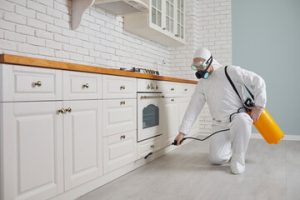
Understanding the Importance of Prevention First
The most effective pest control strategy begins long before pests become visible. Prevention focuses on eliminating the conditions that allow infestations to develop. Many pests enter homes and buildings through small cracks, gaps around doors or windows, or areas with excess moisture. Once inside, they search for food sources, nesting areas, and warmth. By addressing these factors early, property owners reduce the likelihood of major problems later.
Preventative pest control often includes sealing entry points, improving sanitation practices, and maintaining outdoor areas to reduce hiding spots. For example, trimming vegetation away from walls, repairing leaks, and keeping storage spaces organized can make a significant difference. Prevention works because it disrupts the lifecycle of pests before they have a chance to multiply, making removal easier if problems arise.
Another important aspect of prevention is routine inspections. Regular monitoring allows professionals to detect early signs of activity that may go unnoticed by property owners. Small droppings, subtle structural damage, or unusual odors can all indicate the presence of pests. Catching these signs early helps prevent infestations from spreading and reduces the need for aggressive treatments.
How Modern Pest Control Has Evolved
Traditional pest control often relied heavily on chemical treatments applied after an infestation became severe. While these methods sometimes worked, they did little to prevent future problems. Modern pest control services take a more holistic approach, combining multiple strategies to achieve lasting results. This shift reflects a growing awareness of environmental responsibility and long-term property protection.
Today’s services emphasize integrated solutions that include inspection, targeted treatment, and ongoing maintenance. Instead of using one-size-fits-all methods, professionals evaluate each property individually to identify vulnerabilities. This personalized approach ensures that pest control measures are both effective and efficient.
Technology has also improved pest control methods. Advanced monitoring tools, improved equipment, and specialized treatment techniques allow professionals to address infestations more precisely. These innovations reduce unnecessary exposure to chemicals while ensuring that pests are eliminated safely and effectively.
The Removal Process: What Happens When Pests Are Found
Even with strong prevention strategies, pests can occasionally find their way inside. When this happens, professional removal services step in to address the issue quickly and thoroughly. Removal begins with a detailed inspection to determine the type of pest, the extent of the infestation, and the areas most affected. This information guides the selection of treatment methods.
Modern removal processes typically involve several steps designed to eliminate pests while preventing further damage. These steps often include:
- Targeted Treatment Plans – Instead of treating the entire property unnecessarily, professionals focus on areas where pests are active, reducing disruption and improving efficiency.
- Safe and Responsible Techniques – Many modern treatments prioritize low-impact solutions that protect occupants, pets, and the surrounding environment.
- Follow-Up Monitoring – After removal, additional visits or inspections help ensure that pests do not return and that preventative measures remain effective.
This structured approach ensures that removal is not just a temporary fix but part of a broader pest management strategy.
The Role of Integrated Pest Management
Integrated Pest Management (IPM) is a cornerstone of modern pest control services. Rather than relying solely on chemical solutions, IPM combines several techniques to create long-term protection. This approach focuses on understanding pest behavior and using a variety of tools to disrupt their lifecycle.
IPM strategies often include habitat modification, physical barriers, and targeted treatments applied only when necessary. For example, improving ventilation to reduce moisture levels may prevent certain insects from thriving, while installing screens or sealing gaps can block entry points. By combining multiple methods, IPM reduces the risk of recurring infestations while promoting safer living environments.
Benefits of Professional Pest Control Services
While some property owners attempt DIY pest control, professional services offer advantages that go far beyond basic treatments. Experts have the training and experience needed to identify hidden infestations, understand pest behavior, and apply solutions that provide lasting results.
Some of the most significant benefits of professional pest control include:
- Long-Term Cost Savings – Addressing infestations early prevents extensive structural damage and reduces the need for costly repairs.
- Improved Health and Safety – Removing pests and preventing contamination creates a cleaner indoor environment.
- Customized Solutions – Every property is unique, and professional services tailor treatments to match specific needs and risks.
These benefits make professional pest control an essential part of maintaining a safe and comfortable property.
Risks of Ignoring Pest Problems
Ignoring pest activity can lead to serious consequences over time. Rodents may chew through electrical wiring, increasing the risk of fire hazards. Termites and other wood-destroying pests can weaken structural components, causing hidden damage that becomes expensive to repair. Even small insects can contaminate food storage areas or trigger allergies.
Another risk is the rapid growth of pest populations. Many pests reproduce quickly, meaning that a minor problem can escalate into a major infestation within weeks. Delaying action often results in more extensive treatments and higher costs. By addressing pest issues promptly, property owners reduce both health risks and financial strain.
Seasonal Considerations for Pest Control
Pest activity changes throughout the year, making seasonal planning an important part of modern pest control services. Warmer months often bring increased insect activity, while colder seasons may drive rodents indoors in search of shelter. Adjusting pest control strategies to match these seasonal patterns ensures consistent protection.
Spring inspections may focus on identifying early insect activity, while fall maintenance might include sealing gaps and preparing the property for colder weather. By staying proactive and adapting to seasonal changes, property owners maintain year-round protection against pests.
Maintaining Results After Treatment
Successful pest control does not end after removal. Ongoing maintenance plays a crucial role in preventing pests from returning. Property owners can support professional treatments by maintaining cleanliness, reducing clutter, and monitoring areas where pests are likely to appear.
Simple habits can make a significant difference, such as storing food in sealed containers, repairing leaks promptly, and inspecting outdoor areas regularly. These actions complement professional services and help maintain a pest-free environment long after treatments are completed.
Creating a Long-Term Pest Management Plan
The most effective pest control strategies combine prevention, removal, and maintenance into a single long-term plan. Rather than reacting to problems as they arise, property owners benefit from scheduled inspections and consistent monitoring. This proactive approach ensures that minor issues are addressed before they escalate into larger infestations.
A long-term plan often includes periodic evaluations of the property’s condition, adjustments to treatment strategies based on seasonal trends, and continuous education about best practices for pest prevention. Over time, this approach creates a more resilient environment that naturally discourages pests from returning.
Conclusion: Building a Smarter Approach to Pest Control
Modern pest control services represent a shift toward smarter, more sustainable property management. By focusing on prevention first, addressing infestations with targeted removal strategies, and maintaining consistent follow-up care, property owners can protect their spaces from damage, health risks, and ongoing stress.
Understanding the full cycle—from prevention to removal—empowers homeowners and businesses to take control of pest challenges before they become overwhelming. With the right combination of professional expertise and everyday maintenance habits, pest control becomes less about reacting to problems and more about creating a safe, balanced environment that supports long-term comfort and peace of mind.
Investing in modern pest control services is ultimately an investment in the future of your property. By embracing proactive strategies and responsible practices, property owners ensure that their spaces remain clean, secure, and resilient against unwanted pests year after year.