Author: Callan Callahan

The Modern Evolution of Roofing and Its Impact on Sustainable Living

Every structure begins with a vision, and the roof crowns that vision with purpose. It is more than a shield from the elements. It is a statement of design, functionality, and sustainability. Over time, Roofing has evolved from a basic necessity into a crucial aspect of modern living.
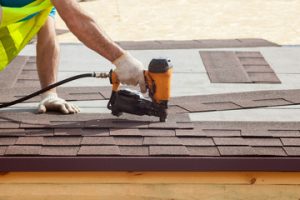
Roofing

The earliest roofs were simple, crafted from natural materials available nearby. They served one function: protection. But as societies advanced, roofing transformed into an intricate discipline that blends engineering, art, and environmental science. Today, a roof is not just a covering but a living component of the built environment.

One of the most significant changes in roofing today is its relationship with energy. Traditional roofs passively shield interiors, but modern ones actively contribute to energy efficiency. Reflective materials, layered insulation, and integrated systems work together to regulate indoor temperatures and reduce energy use.

Environmental concerns are pushing roofing innovation even further. Sustainable materials derived from recycled components are now being used to minimize ecological footprints. These materials offer durability while reducing resource consumption. This shift reflects a larger trend toward buildings that respect and protect the planet.

Design has also taken on new importance in roofing. Homeowners and architects now view the roof as an opportunity to express style and identity. Shapes, slopes, and textures are carefully chosen to complement the structure beneath. This aesthetic dimension makes roofs a defining element of modern architecture.

Another remarkable development is the rise of roofing systems that support vegetation. Green roofs, once considered experimental, are now gaining popularity for their environmental benefits. They improve air quality, reduce stormwater runoff, and provide natural insulation. They also transform rooftops into vibrant, functional spaces.

The integration of technology has expanded what roofing can achieve. Sensors embedded in roofing materials can monitor temperature, moisture, and structural health. These smart systems provide real-time data that helps extend a roof’s lifespan and prevent costly damage. They also support predictive maintenance, reducing long-term repair costs.

Durability remains a core concern, and advancements in materials science have dramatically improved roof longevity. Modern roofs are designed to withstand extreme weather conditions and resist common issues like corrosion and UV damage. Innovations in coatings and sealants further enhance their protective qualities.

The way roofs interact with water has also changed. New drainage designs and water-harvesting systems allow roofs to play an active role in resource management. Captured rainwater can be redirected for irrigation, cleaning, or filtration. This approach aligns with a growing emphasis on sustainability and self-sufficiency.

Noise control is another aspect where roofing has evolved. Acoustic insulation layers built into roofing systems can significantly reduce external noise. This is particularly beneficial in urban settings where environmental noise is constant. A well-designed roof can contribute to a quieter, more comfortable living space.

Fire resistance has also become a crucial factor in roofing design. Innovative materials and construction methods reduce the risk of ignition and slow the spread of flames. This added safety feature protects not just property but also lives, especially in regions prone to wildfires or industrial hazards.

Roofing is also playing a central role in the shift toward renewable energy. Integrated systems allow roofs to capture and convert natural resources into usable power. As technology becomes more efficient and accessible, energy-generating roofs are becoming a practical choice for many structures.

The concept of modular roofing is another exciting development. Prefabricated components allow for faster installation and easier maintenance. They also make it possible to upgrade roofing systems without extensive demolition. This adaptability is key to meeting evolving needs over a building’s lifespan.

In commercial and industrial settings, roofing has expanded its functionality beyond protection. Roofs now support infrastructure such as communication systems, climate control units, and even vertical farming setups. This multifunctionality maximizes the value of unused space and improves overall building performance.

The human experience beneath a roof has become a focal point of design. Thermal comfort, air quality, and natural light all depend on how the roof interacts with the environment. A thoughtfully designed roofing system enhances well-being while reducing reliance on mechanical systems.

Urban development has introduced new challenges for roofing, especially in densely built areas. Roofs are now expected to contribute to climate resilience, helping mitigate heat island effects and absorb excess rainfall. Innovative materials and designs are meeting these challenges head-on, turning rooftops into tools for urban adaptation.

Maintenance practices have evolved alongside roofing technology. Where regular inspections once relied solely on human expertise, drones and imaging systems now provide precise, real-time analysis. These tools help detect minor issues before they escalate into significant problems. The result is longer-lasting roofs and lower overall costs.

As building codes and regulations become more stringent, roofing standards are rising too. Modern roofs must meet requirements for energy efficiency, safety, and environmental impact. Compliance drives innovation, pushing manufacturers and designers to develop more advanced and sustainable solutions.

Cultural preferences continue to shape roofing trends as well. What was once purely functional is now deeply tied to identity and tradition. Certain materials and styles carry symbolic significance, connecting structures to their surroundings and history. This fusion of tradition and innovation keeps roofing design dynamic and evolving.

The global push toward circular economies is influencing roofing practices. End-of-life strategies now focus on recycling or repurposing materials rather than disposal. This approach minimizes waste and conserves valuable resources, creating a more sustainable construction ecosystem.

The rise of remote work and lifestyle changes is also affecting roofing design. Outdoor rooftop spaces are being transformed into gardens, work areas, or leisure zones. This evolution reflects a shift in how people interact with their homes and workplaces, extending living spaces upward.

Resilience is emerging as one of the most valued qualities in roofing. Climate unpredictability demands materials and structures that can adapt to changing conditions. From flexible membranes to self-repairing surfaces, new technologies aim to create roofs that are not just strong but smart.

Cost considerations remain central, and advances in production have made sophisticated roofing systems more affordable. Scalability and modularity allow for customization within different budgets. This accessibility ensures that innovation is not limited to premium projects but available to a broader market.

In the context of global development, roofing also plays a crucial role in disaster response and reconstruction. Lightweight, rapidly deployable roofing systems provide immediate shelter after natural disasters. They offer a foundation for rebuilding while maintaining safety and dignity for affected communities.

Consumer expectations continue to rise, pushing the industry toward more personalized solutions. People now seek roofing that matches their lifestyle, values, and long-term goals. Customizable options cater to these demands, blending performance with individuality.

Looking ahead, the future of roofing will likely merge nature and technology even more closely. Self-cleaning surfaces, adaptive shading systems, and biophilic designs are already in development. These innovations will redefine what a roof can be, blurring the line between structure and environment.

The intersection of aesthetics, performance, and sustainability will guide roofing innovation. As buildings become smarter and more responsive, roofs will act as integral components of interconnected systems. They will help regulate climate, manage resources, and enhance human experience in ways once unimaginable.

The evolution of roofing tells a story of continuous adaptation. It reflects humanity’s desire for safety, comfort, and harmony with nature. What began as simple shelter has become a sophisticated fusion of science, art, and purpose.

In the years ahead, roofing will not just protect us from the elements — it will help shape how we live, work, and interact with our surroundings. It will serve as both a guardian and a catalyst, transforming buildings into living systems. And in doing so, it will continue to rise above its traditional role, becoming one of the most influential elements of the built environment.

The future of construction will be defined not by walls, but by the roofs that crown them. These structures will embody resilience, intelligence, and sustainability. They will remind us that even the most familiar parts of our world can evolve into something extraordinary. And with each innovation, roofing will move closer to its ultimate purpose — not just covering our lives, but enriching them.

From Prevention to Removal: The Complete Guide to Modern Pest Control Services

Pest control has changed dramatically over the years. What was once viewed as a simple reaction to visible infestations has evolved into a proactive, strategic system designed to protect health, property, and long-term comfort. Today, modern pest control services focus not only on removing pests but also on preventing them from returning, identifying risk factors early, and creating environments that discourage infestations altogether. Understanding how prevention, monitoring, and removal work together allows property owners to make smarter decisions that safeguard both living spaces and investments.

A comprehensive pest control plan goes beyond spraying or trapping. It involves assessing conditions that attract pests, understanding seasonal behaviors, and applying targeted solutions that minimize risks while maximizing results. Whether dealing with insects, rodents, or other unwanted invaders, modern Pest Control Euless TX is built around sustainable strategies that balance effectiveness with safety.

pest control

Understanding the Importance of Prevention First

The most effective pest control strategy begins long before pests become visible. Prevention focuses on eliminating the conditions that allow infestations to develop. Many pests enter homes and buildings through small cracks, gaps around doors or windows, or areas with excess moisture. Once inside, they search for food sources, nesting areas, and warmth. By addressing these factors early, property owners reduce the likelihood of major problems later.

Preventative pest control often includes sealing entry points, improving sanitation practices, and maintaining outdoor areas to reduce hiding spots. For example, trimming vegetation away from walls, repairing leaks, and keeping storage spaces organized can make a significant difference. Prevention works because it disrupts the lifecycle of pests before they have a chance to multiply, making removal easier if problems arise.

Another important aspect of prevention is routine inspections. Regular monitoring allows professionals to detect early signs of activity that may go unnoticed by property owners. Small droppings, subtle structural damage, or unusual odors can all indicate the presence of pests. Catching these signs early helps prevent infestations from spreading and reduces the need for aggressive treatments.

How Modern Pest Control Has Evolved

Traditional pest control often relied heavily on chemical treatments applied after an infestation became severe. While these methods sometimes worked, they did little to prevent future problems. Modern pest control services take a more holistic approach, combining multiple strategies to achieve lasting results. This shift reflects a growing awareness of environmental responsibility and long-term property protection.

Today’s services emphasize integrated solutions that include inspection, targeted treatment, and ongoing maintenance. Instead of using one-size-fits-all methods, professionals evaluate each property individually to identify vulnerabilities. This personalized approach ensures that pest control measures are both effective and efficient.

Technology has also improved pest control methods. Advanced monitoring tools, improved equipment, and specialized treatment techniques allow professionals to address infestations more precisely. These innovations reduce unnecessary exposure to chemicals while ensuring that pests are eliminated safely and effectively.

The Removal Process: What Happens When Pests Are Found

Even with strong prevention strategies, pests can occasionally find their way inside. When this happens, professional removal services step in to address the issue quickly and thoroughly. Removal begins with a detailed inspection to determine the type of pest, the extent of the infestation, and the areas most affected. This information guides the selection of treatment methods.

Modern removal processes typically involve several steps designed to eliminate pests while preventing further damage. These steps often include:

  1. Targeted Treatment Plans – Instead of treating the entire property unnecessarily, professionals focus on areas where pests are active, reducing disruption and improving efficiency.
  2. Safe and Responsible Techniques – Many modern treatments prioritize low-impact solutions that protect occupants, pets, and the surrounding environment.
  3. Follow-Up Monitoring – After removal, additional visits or inspections help ensure that pests do not return and that preventative measures remain effective.

This structured approach ensures that removal is not just a temporary fix but part of a broader pest management strategy.

The Role of Integrated Pest Management

Integrated Pest Management (IPM) is a cornerstone of modern pest control services. Rather than relying solely on chemical solutions, IPM combines several techniques to create long-term protection. This approach focuses on understanding pest behavior and using a variety of tools to disrupt their lifecycle.

IPM strategies often include habitat modification, physical barriers, and targeted treatments applied only when necessary. For example, improving ventilation to reduce moisture levels may prevent certain insects from thriving, while installing screens or sealing gaps can block entry points. By combining multiple methods, IPM reduces the risk of recurring infestations while promoting safer living environments.

Benefits of Professional Pest Control Services

While some property owners attempt DIY pest control, professional services offer advantages that go far beyond basic treatments. Experts have the training and experience needed to identify hidden infestations, understand pest behavior, and apply solutions that provide lasting results.

Some of the most significant benefits of professional pest control include:

  1. Long-Term Cost Savings – Addressing infestations early prevents extensive structural damage and reduces the need for costly repairs.
  2. Improved Health and Safety – Removing pests and preventing contamination creates a cleaner indoor environment.
  3. Customized Solutions – Every property is unique, and professional services tailor treatments to match specific needs and risks.

These benefits make professional pest control an essential part of maintaining a safe and comfortable property.

Risks of Ignoring Pest Problems

Ignoring pest activity can lead to serious consequences over time. Rodents may chew through electrical wiring, increasing the risk of fire hazards. Termites and other wood-destroying pests can weaken structural components, causing hidden damage that becomes expensive to repair. Even small insects can contaminate food storage areas or trigger allergies.

Another risk is the rapid growth of pest populations. Many pests reproduce quickly, meaning that a minor problem can escalate into a major infestation within weeks. Delaying action often results in more extensive treatments and higher costs. By addressing pest issues promptly, property owners reduce both health risks and financial strain.

Seasonal Considerations for Pest Control

Pest activity changes throughout the year, making seasonal planning an important part of modern pest control services. Warmer months often bring increased insect activity, while colder seasons may drive rodents indoors in search of shelter. Adjusting pest control strategies to match these seasonal patterns ensures consistent protection.

Spring inspections may focus on identifying early insect activity, while fall maintenance might include sealing gaps and preparing the property for colder weather. By staying proactive and adapting to seasonal changes, property owners maintain year-round protection against pests.

Maintaining Results After Treatment

Successful pest control does not end after removal. Ongoing maintenance plays a crucial role in preventing pests from returning. Property owners can support professional treatments by maintaining cleanliness, reducing clutter, and monitoring areas where pests are likely to appear.

Simple habits can make a significant difference, such as storing food in sealed containers, repairing leaks promptly, and inspecting outdoor areas regularly. These actions complement professional services and help maintain a pest-free environment long after treatments are completed.

Creating a Long-Term Pest Management Plan

The most effective pest control strategies combine prevention, removal, and maintenance into a single long-term plan. Rather than reacting to problems as they arise, property owners benefit from scheduled inspections and consistent monitoring. This proactive approach ensures that minor issues are addressed before they escalate into larger infestations.

A long-term plan often includes periodic evaluations of the property’s condition, adjustments to treatment strategies based on seasonal trends, and continuous education about best practices for pest prevention. Over time, this approach creates a more resilient environment that naturally discourages pests from returning.

Conclusion: Building a Smarter Approach to Pest Control

Modern pest control services represent a shift toward smarter, more sustainable property management. By focusing on prevention first, addressing infestations with targeted removal strategies, and maintaining consistent follow-up care, property owners can protect their spaces from damage, health risks, and ongoing stress.

Understanding the full cycle—from prevention to removal—empowers homeowners and businesses to take control of pest challenges before they become overwhelming. With the right combination of professional expertise and everyday maintenance habits, pest control becomes less about reacting to problems and more about creating a safe, balanced environment that supports long-term comfort and peace of mind.

Investing in modern pest control services is ultimately an investment in the future of your property. By embracing proactive strategies and responsible practices, property owners ensure that their spaces remain clean, secure, and resilient against unwanted pests year after year.

Navigation